


How To Use Miso
Miso is extremely versatile. Here are a few ideas to get you started:
Miso Marinades
Create flavorful marinades for meat, seafood, or vegetables by mixing miso with other ingredients like soy sauce, ginger, garlic, and honey. Marinate for a few hours before cooking.
Miso Dressings
Blend miso with ingredients like vinegar, oil, and honey or citrus for a delicious salad dressing. You can adjust the consistency and flavor to your liking.
Miso Pasta Sauce
Mix miso into a pot of drained pasta with some butter or olive oil. The starchy pasta water will thicken with the miso and create an instant sauce.
Miso Glazes
Miso makes an excellent glaze for roasted or grilled dishes. Mix it with some mirin, sugar, and other seasonings, then brush it over chicken, fish, or vegetables before cooking.
Miso Stir-Fries
Mix miso into a pan while your ingredients like mushrooms or vegetables are cooking. It will instantly give you a delicious sauce.
Miso Butter
Mix miso with softened butter to create a flavorful spread for bread or as a topping for grilled corn on the cob.
Miso Desserts
The most common use of miso is in making miso soup. Simply dissolve a spoonful of miso paste in hot water, add ingredients like tofu, seaweed, and green onions, and you have a quick and nutritious soup.
Miso Glazes
Bake with Miso in bread or cookies, or anything that has butter in it. Add some miso prior to baking to add an extra layer of flavor.

What is Koji?
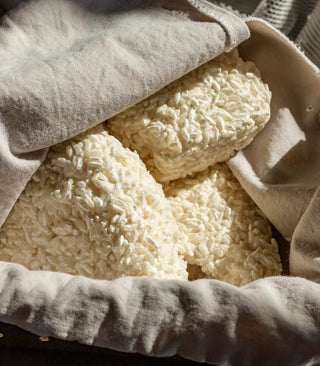
Koji, scientifically known as Aspergillus oryzae, is a filamentous mold that has been fermenting food for 3,000-5,000 years. Unlike fruiting-body mushrooms such as shiitake or chanterelle, koji is a mold fungus that begins as a spore and develops into a network of thread-like filaments called mycelium.
Koji's magic lies in the powerful enzymes it produces to break down proteins and starches. At maturity, it secretes two main enzymes: protease (which breaks down proteins) and amylase (which breaks down starches). These enzymes convert larger molecules into delicious amino acids and sugars—the building blocks of umami flavor.
We cultivate our koji on Koda Farm's rice giving it an immediate starchy food source. After 48 hours of growth, we introduce it to Rancho Gordo beans along with carefully selected seasonal mushrooms and vegetables. All ingredients are slowly fermented together to create the incredible flavors you can experience for yourself.
How Koji Is Made
Step 1
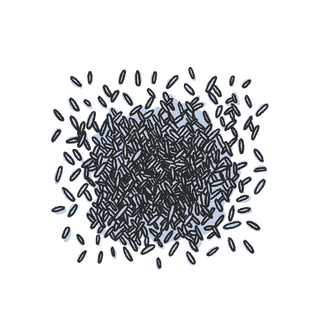
We open the bags of rice and thoroughly wash it in a large bowl until the water is no longer cloudy. The rice then soaks overnight in the refrigerator so each kernel is fully hydrated for the next day.
Step 2
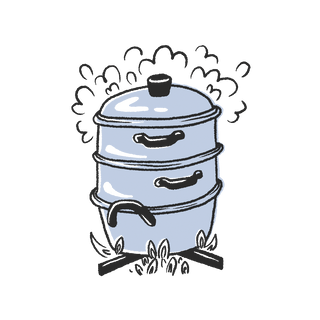
The soaked rice is gently steamed over the stove in large pots, filling the room with a warm, nutty aroma as each grain turns perfectly tender.

Step 3
After steaming, the rice is spread across a table to cool and turned by hand until every grain reaches the perfect temperature. Once the rice is cooled, we carefully spread the koji spores and gently mix them in, allowing each grain to catch the beginnings of mycelial growth.

Step 4
The inoculated rice is placed into trays, covered with a soft tea towel, and transferred to our incubation chamber where the koji spores begin to grow.

Step 5
The next day, we hand- mix the koji rice midway through its growing process to disperse heat and ensure everything is evenly inoculated before incubating for another 24 hours.

Step 6
On the third day, we have fresh koji and it is ready to make miso.

What is Miso?
Miso is a fermented bean paste traditionally made with koji, soybeans, and salt. In our misos, we substitute the soybeans with a variety of heirloom beans and include the addition of carefully selected seasonal mushrooms, vegetables, and wild foraged foraged ingredients.
Our misos range in intensity from sweet to balanced to rich and umami. You can use any of our misos in any recipe that calls for miso.
For cooking inspiration, view our recipes page or view the dishes many of our restaurant partners have created with our misos.
How Miso Is Made
Step 1
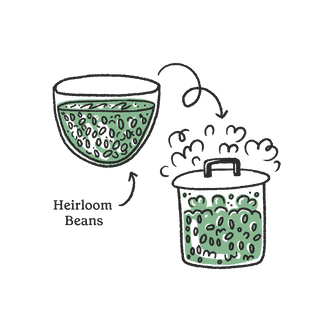
Beans are carefully washed, cooked, and cooled.
Step 2
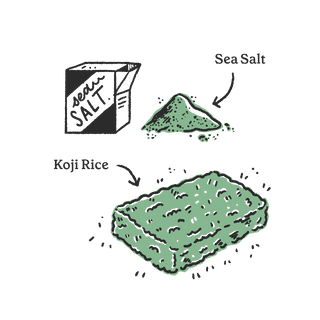
Beans are mixed with our koji rice and San Francisco sea salt.

Step 3
Carefully selected vegetables from the farmer's market or wild foraged mushrooms join the party!
Step 4
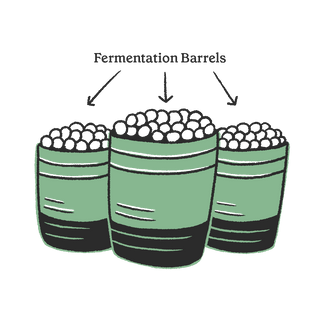
Everything gets carefully mixed and packed into our fermentation barrels and weighed down with rocks.
Step 5
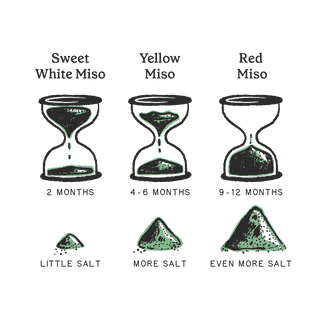
Depending on the style of miso, each batch undergoes a different fermentation time.

Step 6
After the fermentation process, it is finally time to harvest, jar, and enjoy the miso!

What is Shoyu?
Shoyu is the Japanese word for soy sauce, but our version tells a different and new story. We honor traditional fermentation methods while using lentils and quinoa instead of soybeans and wheat, creating a gluten-free and soy-free alternative that's rich in umami.
Our shoyu embodies our name, Shared Cultures. By fermenting non-traditional Asian ingredients with traditional Asian fermentation practices, we hope to explore and share new flavors and cultural ideas together.
How Shoyu Is Made

Step 1
Lentils are carefully washed and steamed.
Step 2
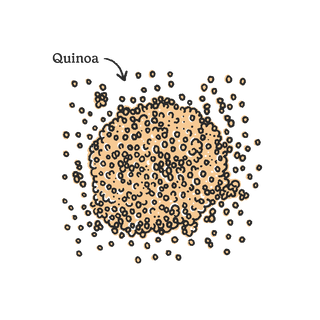
Quinoa is roasted until golden brown.

Step 3
The lentils and quinoa are thoroughly mixed together, then inoculated with koji and incubated.

Step 4
After 48 hours, we have lentil and quinoa koji. We mix it with San Francisco sea salt and water in a barrel to create our shoyu.
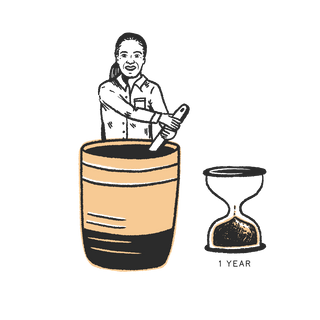
Step 5
The shoyu is stirred for a year to a year and a half to ensure healthy microbial activity. Incorporating fresh oxygen and air is crucial to a healthy ferment!

Step 6
After the fermentation process, it is finally time to filter, bottle, and enjoy the shoyu!

What is Miso Tamari?
Miso tamari is a liquid byproduct that forms during miso production. When our miso ferments, all the liquid trapped in our beans, rice, vegetables and or mushrooms rises to the top. The result is a delicious naturally brewed, gluten-free "soy sauce" that's richer and more complex than regular tamari (which is made specifically as a sauce). Miso tamari is more dense, similar to a good balsamic vinegar.
Our miso tamari has an intense sweet umami flavor. We only yield on average 20 3.4-oz bottles per 500 lbs of miso. That is equivalent to less than 2 ounces of tamari per pound of miso - making each bottle truly precious.
How Miso Tamari Is Made
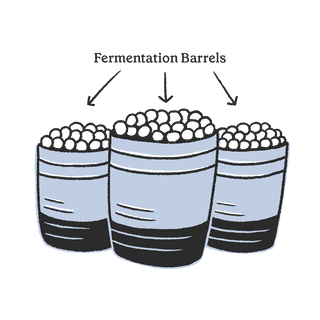
Step 1
Miso tamari is a liquid byproduct that forms during miso production. When our miso is ready, we first have to remove all the heavy rocks in each barrel that are weighing down the miso before we can harvest the miso tamari that sits beneath them.

Step 2
This is a bird's eye view of what that looks like after some of the rocks are taken off. We are only able to harvest the tamari after removing all the rocks from the barrel. On average, we yield 20 3.4-oz bottles per 500 lbs of miso. That is equivalent to less than 2 ounces of tamari per pound of miso - making each bottle truly precious.

Still Koji-Curious?
Check out some of our favorite fermentation resources:
Miso, Tempeh, Natto & Other Tasty Ferments: A Step-by-Step Guide to Fermenting Grains and Beans by Kirsten K. Shockey Christopher Shockey
The Noma Guide to Fermentation by René Redzepi David Zilber
Koji Alchemy: Rediscovering the Magic of Mold-Based Fermentation by Jeremy Umansky & Rich Shih
The Art of Fermentation: An In-Depth Exploration of Essential Concepts and Processes from around the World by Sandor Ellix Katz
Still have questions?
Check out our Frequently Asked Questions or Contact Us